
We center communities and rights holders to create a sustainable and equitable marine shipping sector.

We work to build a decarbonized maritime industry that focuses on human rights, ocean health and climate equity.
Recent Updates
-
![]()
OECD Complaint Against Export Development Canada for financing maritime LNG infrastructure
Equal Routes and seven co-filers, including Indigenous leaders, health and environmental organizations from Canada, Germany and South Korea, filed a formal complaint alleging EDC failed to meet international standards for responsible business conduct in financing billions of dollars in maritime LNG infrastructure.
-
![]()
Invasive Species Risk from LNG Tanker Traffic in the Gulf of California
Issue Brief: Proposed LNG export terminals in the Gulf of California could introduce a wave of ship-borne invasive species into one of the world's most biodiverse marine regions.
-
![]()
Riesgo de especies invasoras por el tráfico de megabuques de GNL en el Golfo de California
Nota informativa: Las terminales de exportación de gas natural licuado (GNL) propuestas en el Golfo de California podrían introducir una oleada de especies invasoras transportadas por buques en una de las regiones marinas con mayor biodiversidad del mundo.
-
![]()
Op-Ed: The case for the end of scrubbers on ships
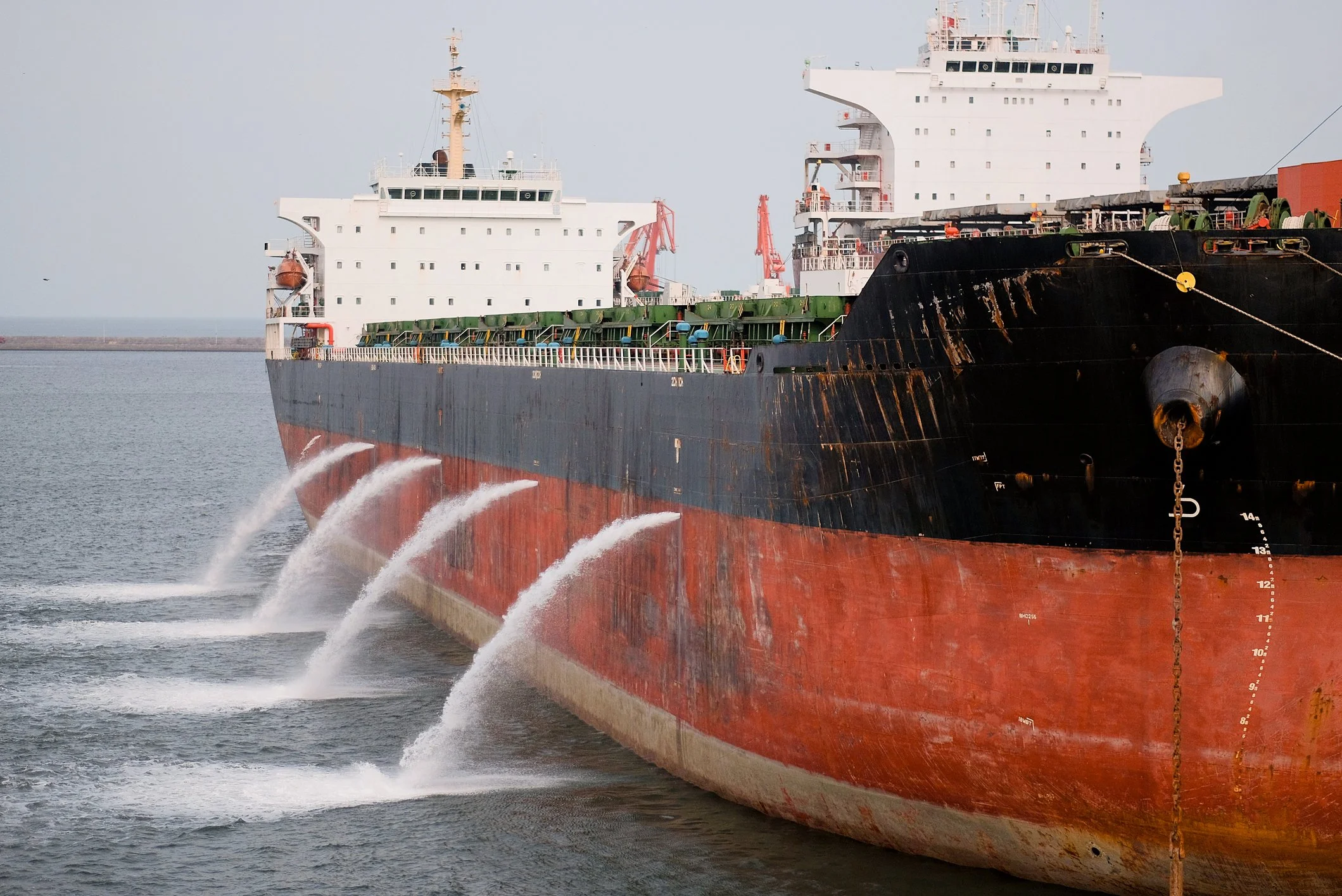
Scrubbers allow ships to continue burning the dirtiest marine fuels by ‘scrubbing out’ the sulphur dioxide from its exhaust. However, that scrubbed out sulphur has to go somewhere — and the wastewater from the process is dumped directly into the ocean impacting biodiversity and human health.
-
![]()
Op-Ed: Canada commits public money to LNG infrastructure as Asian demand turns
Before more public money flows into LNG export terminals, LNG-fuelled vessels, or the bunkering infrastructure linking them, the committee, the federal institutions extending credit and guarantees, and the council itself should account for who, in the actual buying countries, will still be there to take the gas a decade from now.
-
![]()
Op-Ed: Canada is failing to lead on Arctic shipping’s black-carbon pollution
As an Arctic country with heavy shipping interests, Indigenous reconciliation a priority, and with climate leadership ambitions, Canada’s voice matters a great deal on this issue.
-
![]()
LNG export, and its associated LNG tanker traffic, will not establish Canada as an energy superpower
Brief Submitted to the Standing Committee on Natural Resources. A summary of LNG’s broad lifecycle impacts; these impacts highlight numerous barriers and minimal benefits associated with LNG export, and why LNG export investment is not a practical pathway for Canada to achieve its global energy goals.
-
![]()
Report: Charting the Course to a Quiet Ocean
IMO Stakeholder Perspectives and Case Studies on Reducing Underwater Radiated Noise. The report finds that effective noise reduction requires a whole-system approach with responsibility shared across regulators, ports, shipowners, classification societies, and Indigenous communities whose rights and knowledge are essential to governance.
-
![]()
PPR 13/5/13: Biofouling at the intersection of climate change, pollution and biodiversity loss
Submission for the International Maritime Organization’s Sub-Committee on Pollution Prevention and Response 13th session. This document provides information on biofouling risks pertaining to climate change, food security and cultural loss, marine environmental pollution, including underwater radiated noise and biodiversity loss.
-
![]()
Just and Equitable Transition in the South Pacific
An interview with John Taukäve on sound, shipping, and oceanic leadership. John is a Rotuman and Fijian artist, researcher and advocate, whose work bridges culture and climate leadership. John brings lived experiences of Pacific Island communities, descendants of the world’s most advanced ocean voyagers, into IMO negotiations.
-
![]()
Port of Churchill offers a chance for an Arctic shipping green corridor
Churchill has the potential to chart an ambitious path for Canada: one that prioritizes people and biodiversity over the economic gain of a few, showing how trade and shipping can be structured around local communities, wildlife, and the environment.
-
![]()
Danish Example Shows Canadian Ships Can Sail Without Ocean-Polluting Scrubbers
Canada has the opportunity to follow Denmark’s decision to ban the discharge of waste from scrubbers– devicesinstalled on board ships to cut air pollution, and from which toxic effluent is dumped into the marine environment.
-
![]()
Press Release: NGOs Welcome IMO Progress for Cutting Shipping’s Climate Impact Despite Net-Zero Framework Delay
As the IMO’s Intersessional Working Group on GHG Emissions from Ships (ISWG-GHG 20) wraps up in London, the Clean Shipping Coalition commends Member States for overcoming last week’s setback and advancing preparations to adopt the Net Zero Framework.
-
![https://www.equalroutes.ca/news-resources/report-gulfofcalifornia]()
A Study of the Potential Impacts of LNG Development on Marine Mammals in the Gulf of California
Projected LNG tanker traffic poses serious risks to air quality, underwater soundscape, marine mammals, fragile ecosystems, climate change mitigation, and coastal communities in the Gulf of California.
-
![]()
Op-Ed: From BC to the Arctic, Canada must ban scrubber discharge everywhere
Transport Canada's announcement of a new approach to protecting BC's endangered southern resident killer whale population may signal a ban on the dumping of scrubber wastewater in coastal waters, but without expanding the ban along all of Canada's coasts, it likely will just push the problem into waters elsewhere.
-
![https://www.equalroutes.ca/news-resources/opinion-methane-fuelled-tanker-traffic]()
Op-Ed: Methane-fuelled Tanker Traffic to Soar This Summer
350 LNG tankers are expected to visit LNG Canada's marine terminal annually, which translates to 700 transits a year in the region. (Originally published by the Vancouver Sun on Jul 05, 2025)
-
![https://www.equalroutes.ca/news-resources/in-the-intersection-of-shipping-biodiversity-and-decarbonization]()
Navigating the Future: Bridging Shipping, Biodiversity, and Decarbonization
Released during COP28 in Dubai, this report highlights the urgency of addressing the triple planetary crisis - pollution, climate change and biodiversity loss in the context of shipping solutions and impacts.
-
![https://www.equalroutes.ca/news-resources/informe-golfo-de-california]()
Un estudio sobre los impactos potenciales del GNL en los mamíferos marinos en el Golfo de California
El tráfico de buques metaneros proyectado representa serios riesgos para la calidad del aire, el paisaje sonoro submarino, los mamíferos marinos, los ecosistemas frágiles, la mitigación del cambio climático y las comunidades costeras en el Golfo de California.
-
![]()
Press Release: Environmental groups urge Canada to lead after IMO delays vote on shipping emissions
Adjournment of discussions on adoption of Net-Zero Framework at the International Maritime Organization highlights critical need for Canadian leadership.
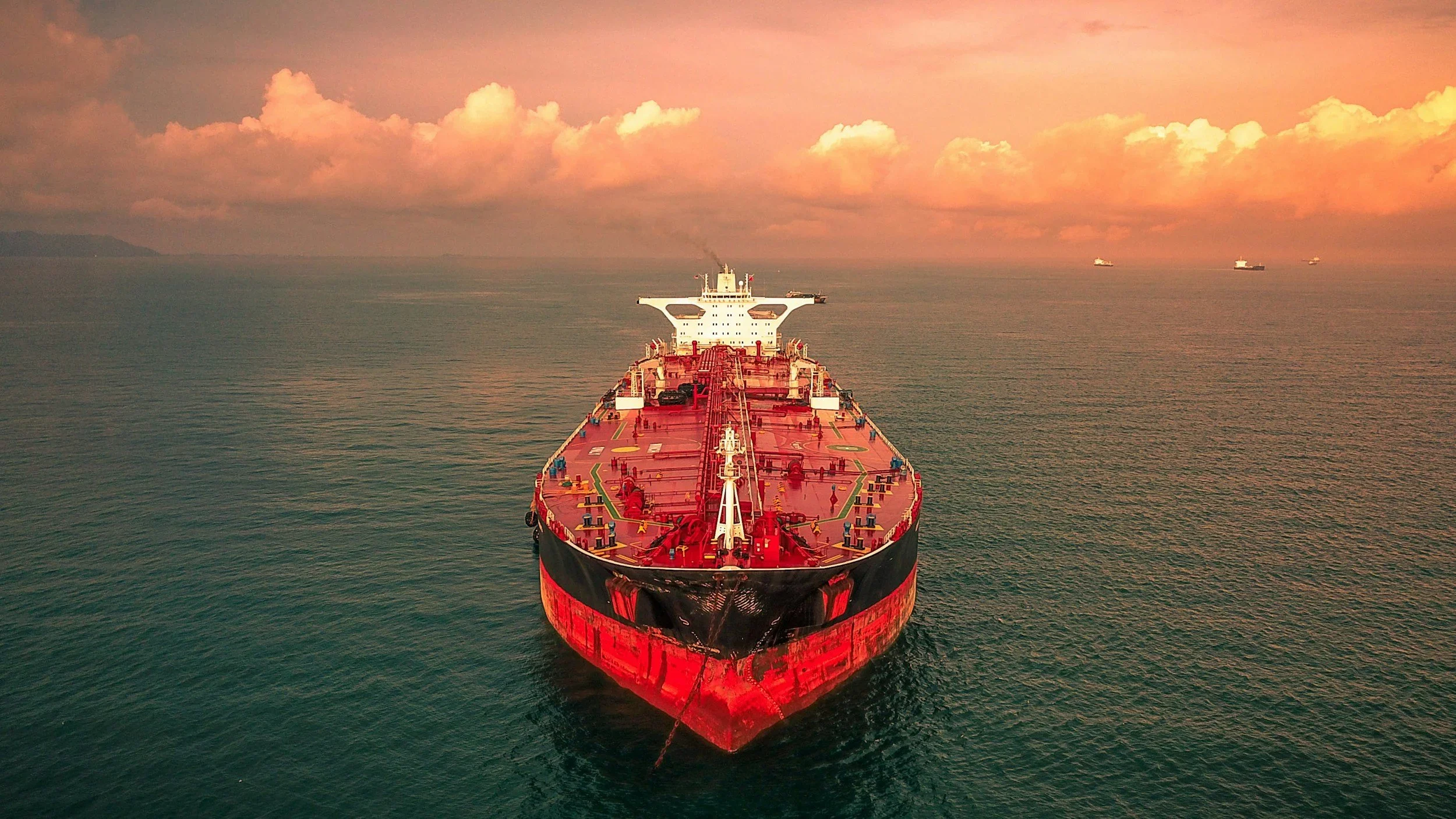
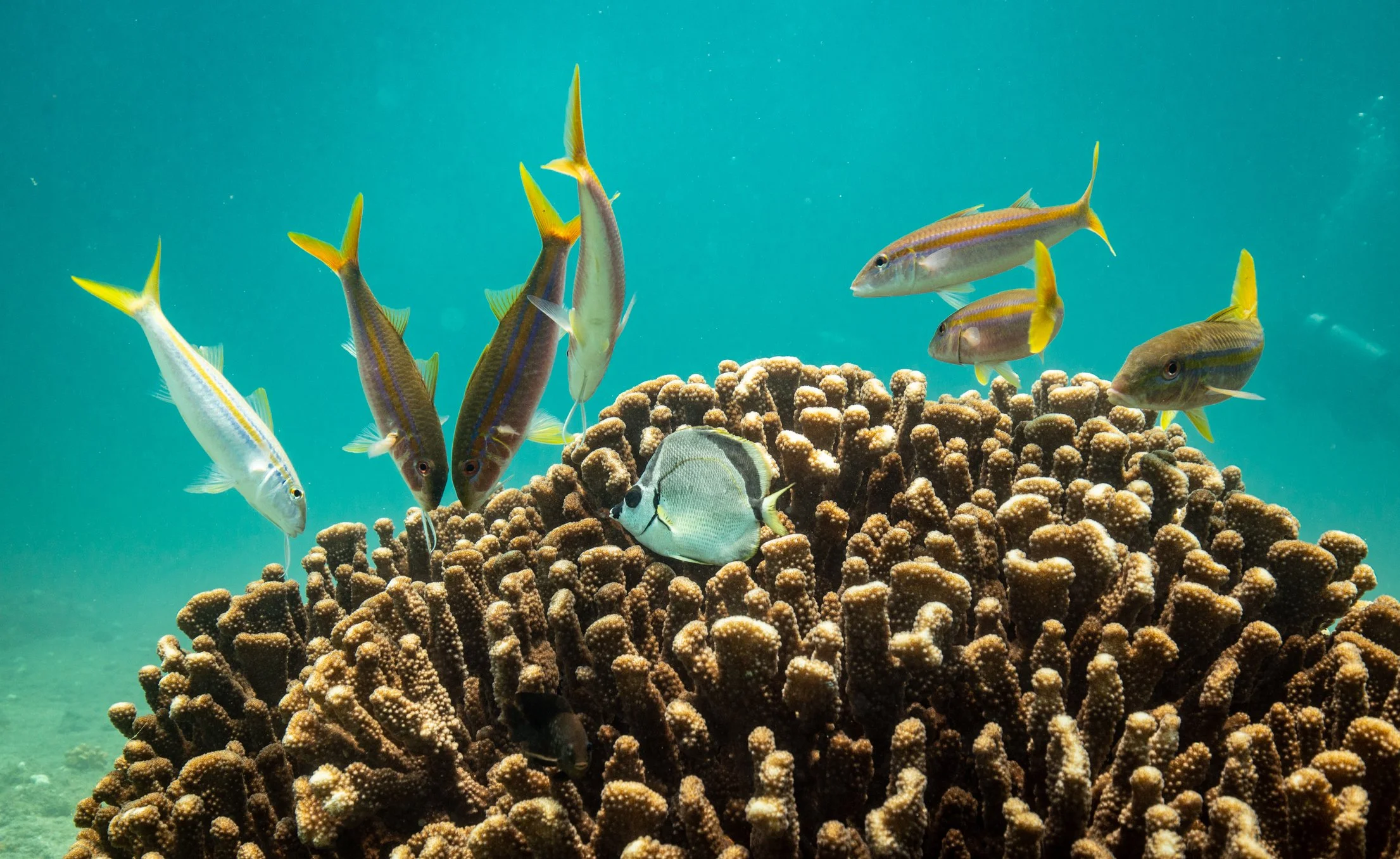




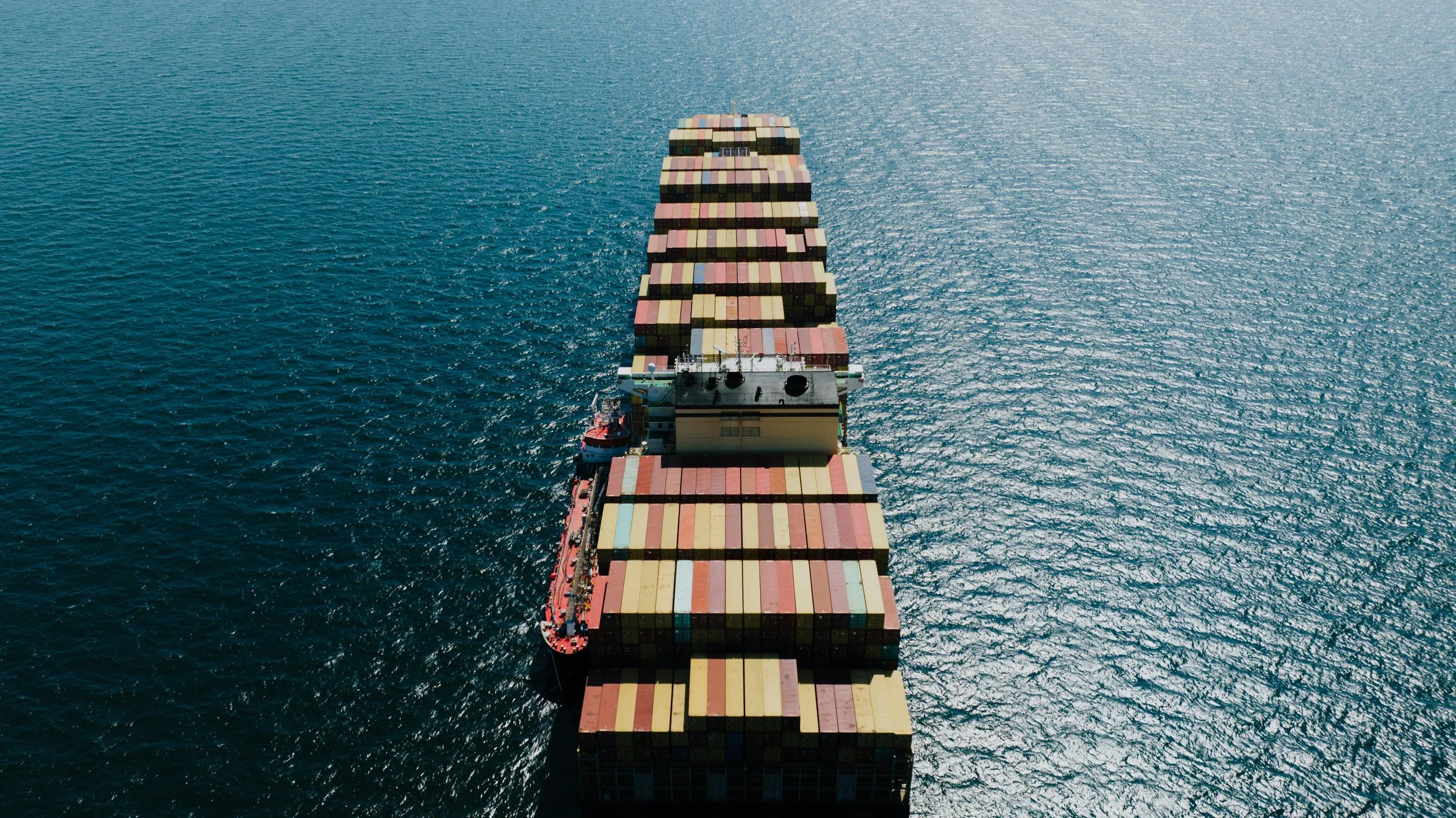



Shipping by the numbers
Introduction of invasive species:
60-90%
Shipping introduces 60 to 90% of invasive species into new marine ecosystems, disrupting biodiversity and threatening local economies.
Contribution of NOx emissions:
15%
In 2015, ships contributed 15% of global NOx emissions, a major air pollutant linked to thousands of premature deaths, especially in coastal communities.
Generation of greenhouse gas emissions:
3%
Shipping generates nearly 3% of global greenhouse gas emissions. Methane and black carbon emissions are rising, with especially harmful effects in the fragile Arctic region.